Autumn is Coming: Preparing Commercial Buildings for Fall

10/01/2024

As summer transitions into fall and the days grow shorter, commercial property owners and facility managers need to shift their focus from warm weather upkeep to preparing their buildings for the upcoming fall and winter months. Proactive maintenance during this time is essential for ensuring the safety, efficiency, and longevity of commercial properties. Neglecting these crucial tasks can lead to expensive repairs, operational disruptions, and potential safety hazards. This guide covers key maintenance steps in preparing commercial buildings for fall, helping to keep buildings safe, efficient, and ready for whatever the weather brings.
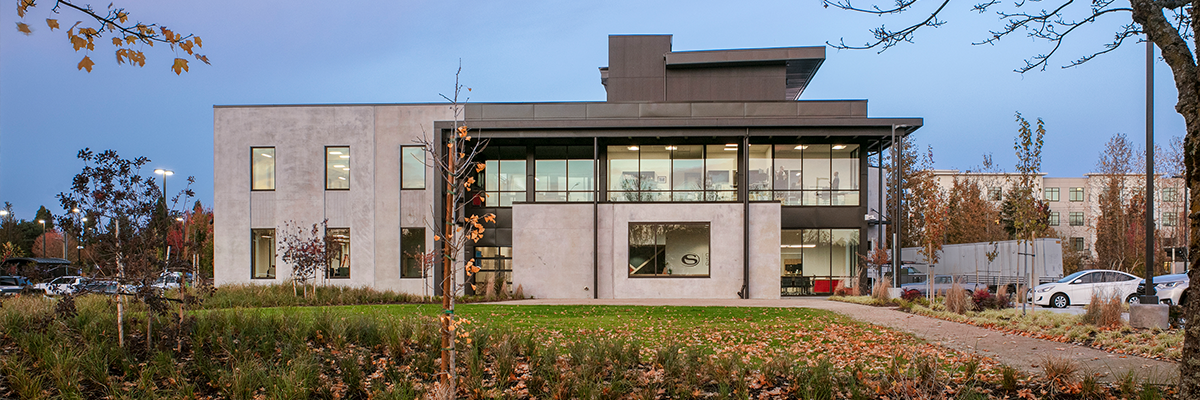
Roof Inspection and Maintenance

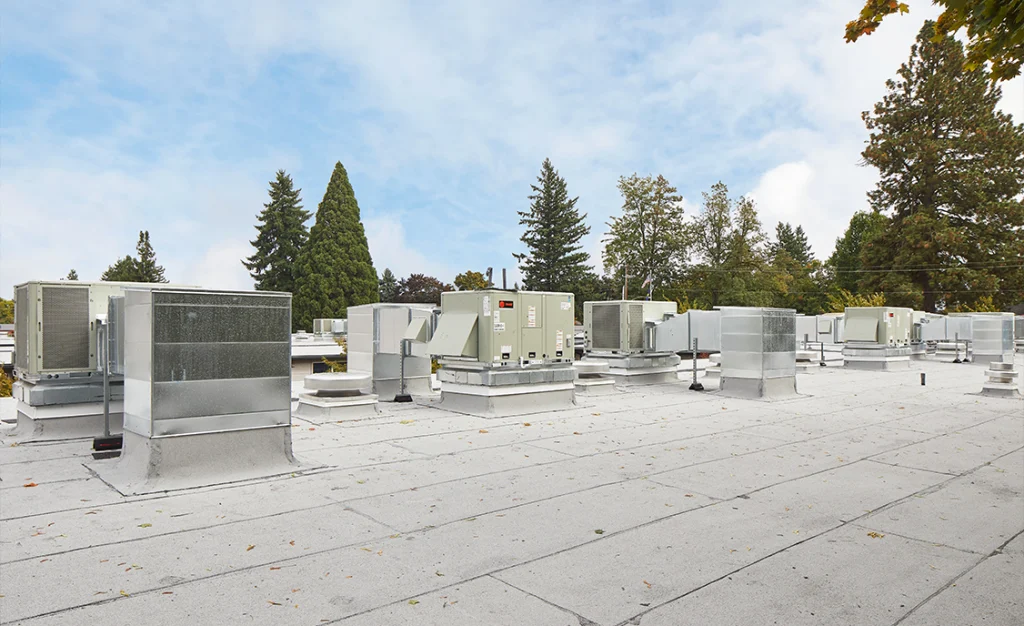
The roof is the first line of defense against the elements and requires special attention in preparation for the harsh winter months. Begin by conducting a thorough inspection to check for any signs of damage, loose or missing shingles, or accumulated debris. Pay special attention to areas around chimneys, vents, and skylights where leaks are most likely to occur.

Key Tips:
  • Remove leaves, branches, and other debris to prevent clogging drains and causing water damage.
  • Check for any signs of mold, mildew, or water stains on the ceiling and walls inside the building, which may indicate roof leaks.
  • Consider hiring a professional roofing contractor for a comprehensive inspection, especially if your building has a flat or low-slope roof, as these are more susceptible to water pooling.

Gutter Cleaning and Repair

Properly functioning gutters and downspouts are vital for directing water away from the building’s foundation and preventing water damage. Clogged gutters can lead to overflow, causing damage to the building’s exterior, foundation, and even interior spaces.
Key Tips:
  • Clear all gutters and downspouts of leaves, twigs, and other debris.
  • Inspect for leaks, rust spots, or sagging areas, and repair or replace damaged sections as necessary.
  • Install gutter guards to minimize the accumulation of debris and reduce the need for frequent cleaning.

HVAC System Maintenance

A well-maintained HVAC system is essential for ensuring a comfortable indoor environment as temperatures drop. Regular maintenance improves energy efficiency, prolongs the life of the equipment, and prevents unexpected breakdowns during the cold season.

Key Tips:

  • Change air filters and clean ducts to improve air quality and system efficiency.
  • Schedule a professional inspection to check for any potential issues and perform preventive maintenance.
  • Check thermostats and controls to ensure they’re functioning correctly, and consider upgrading to programmable thermostats to save on energy costs.

Window and Door Sealing

Windows and doors are common sources of heat loss, making it crucial to ensure they’re properly sealed before cold weather sets in. Poorly sealed windows and doors not only increase energy costs but can also make the building less comfortable for occupants.

Key Tips:
  • Inspect for gaps, cracks, and worn-out weatherstripping around windows and doors.
  • Replace damaged weatherstripping and consider adding door sweeps to reduce drafts.
  • If budget permits, consider upgrading to energy-efficient windows and doors to further enhance insulation and reduce energy consumption.

Exterior Maintenance and Repairs

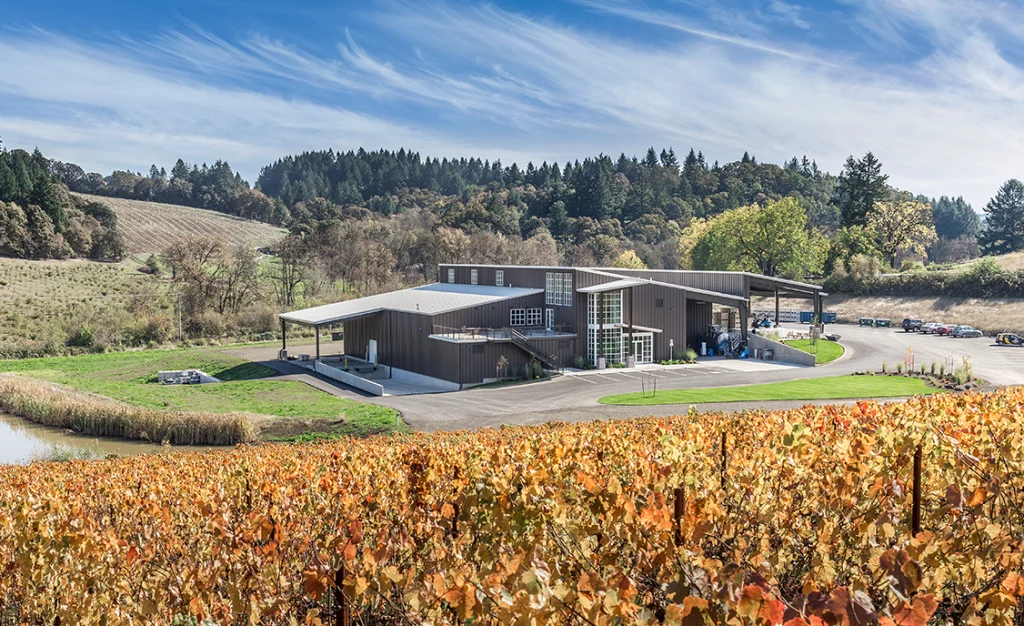
The exterior of your building is exposed to harsh weather conditions year-round. Fall is the perfect time to address any maintenance issues and fortify the exterior against the upcoming winter weather.
Key Tips:
  • Inspect the building’s façade, including siding, brickwork, and paint, for signs of damage or deterioration. Repair any cracks, gaps, or areas of peeling paint to prevent moisture penetration.
  • Ensure that all exterior lighting is functioning properly and replace any burnt-out bulbs to maintain safety during darker winter months.
  • Clean and inspect pathways, parking lots, and other exterior surfaces for damage. Repair cracks or potholes to prevent accidents and ensure safety.

Interior Insulation and Pipe Protection

As temperatures drop, maintaining a comfortable indoor environment becomes more challenging. Ensuring adequate insulation and protecting pipes from freezing is crucial.

Key Tips:
  • Inspect insulation in attics, basements, and other areas prone to heat loss. Add or replace insulation as needed to maintain a consistent indoor temperature and reduce heating costs.
  • Identify exposed pipes in unheated areas such as basements, crawl spaces, and exterior walls. Insulate these pipes to prevent freezing and bursting during extreme cold spells.
  • Check for any drafts around doors, windows, and ventilation systems, and seal them to improve overall energy efficiency.

Pest Control and Prevention

As the weather cools, pests like rodents and insects look for warm places to nest. Taking preventive measures now can help avoid infestations during the winter months.

Key Tips:
  • Inspect the building for potential entry points, such as cracks in the foundation, gaps around doors and windows, and openings around utility lines. Seal these entry points to keep pests out.
  • Remove food sources, such as improperly stored trash or food waste, that could attract pests.
  • Consider scheduling a professional pest control service to conduct an inspection and implement preventive measures.

Emergency Preparedness

Winter weather can be unpredictable, making it essential to be prepared for emergencies. Whether it’s a severe snowstorm, power outage, or another unexpected event, having a plan in place can minimize disruptions and keep occupants safe.
Key Tips:
  • Ensure that emergency supplies, such as flashlights, batteries, blankets, and non-perishable food, are stocked and easily accessible.
  • Review and update your emergency action plan, making sure all building occupants are familiar with evacuation routes and emergency contact information.
  • Test backup generators and ensure they’re ready to provide power to critical systems during outages.

Final Thoughts

Preparing commercial buildings for fall and winter is a proactive strategy that helps protect your property and ensures it remains functional and efficient during the colder months. After last year’s ice storms in the Pacific Northwest, many business owners discovered too late they weren’t ready for extreme weather. By addressing critical areas such as the roof, gutters, HVAC system, insulation, plumbing, and more, you can reduce the risk of costly repairs and improve the safety and comfort of your building.

Need help preparing your commercial building for the weather changes? Our Special Projects Group is here to assist! Whether you need upgrades, repairs, preventive maintenance, or a full remodel, our team has the expertise to get your building ready. Find out what else we can do for you and your building today by visiting our website here.