How General Contractors Choose Subcontractors
11/05/2024
When it comes to large-scale construction projects, general contractors rarely work alone. In fact, many of the intricate details and specialized tasks on a project are completed by subcontractors. From laying the foundation to installing electrical systems, subcontractors are essential to getting the job done right. But how do general contractors decide which subcontractors to hire? Let’s explore the process behind selecting the right team for each project.
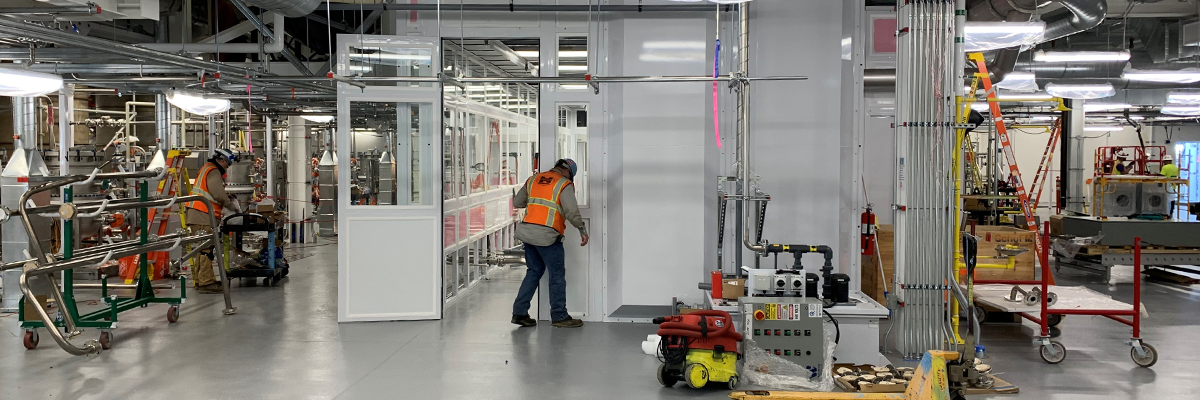
A subcontractor is a specialist hired by a general contractor to perform specific tasks within a larger construction project. While the general contractor oversees the entire project and manages the workflow, subcontractors handle specialized tasks like plumbing, electrical work, HVAC installation, masonry, or painting. Essentially, subcontractors bring their expertise to the table, ensuring that each element of the construction is completed with precision and according to code. A good general contractor will work to seamlessly intertwine each element of the construction process and each specialized crew.
For example, in a commercial building project, the general contractor might hire an electrician, a roofer, and a flooring specialist—each a subcontractor focusing solely on their area of expertise. This division of labor ensures that the work is done by the best tradesmen, the project runs smoothly, and everything meets industry standards.
In any construction project, it’s impossible for a general contractor to manage every aspect of the build themselves. Subcontractors fill the gaps by providing the specialized skills that are needed at various stages. Some key reasons general contractors rely on subcontractors include:
In short, subcontractors are crucial to ensuring that a project stays on schedule, within budget, and meets high-quality standards.
Choosing the right subcontractor is one of the most important decisions a general contractor will make on any given project. A large portion of the pre-construction phase is dedicated to ensuring that the chosen subcontractors can perform the exact scope, size, and schedule of the project.
“You want to make sure you have the right team for the right job,” says Broc Van Vleet, Senior Estimator at Perlo. “For us, that means sometimes you have to get creative with how you pair different subcontractors up. We look at lots of different things to be sure the companies we work with will bring the best quality at the best price for our clients.”
Several factors come into play when deciding which subcontractor is best suited for the job:
Before a subcontractor is considered, they must have the proper qualifications and licenses to perform their trade. This ensures that they can legally and safely perform the work required. Additionally, general contractors look for experience in handling similar projects, particularly if there are any unique challenges or specifications.
A subcontractor’s reputation is one of the biggest indicators of their ability to deliver quality work. General contractors rely on reviews, references, and previous experience with a subcontractor to gauge reliability. A proven track record of meeting deadlines, producing high-quality work, and maintaining professionalism is crucial.
Subcontractors must be financially stable to ensure they can handle the project from start to finish. This includes the ability to purchase materials, maintain necessary equipment, and pay their workforce. A subcontractor who is financially unstable might cause delays if they run out of resources partway through the job.
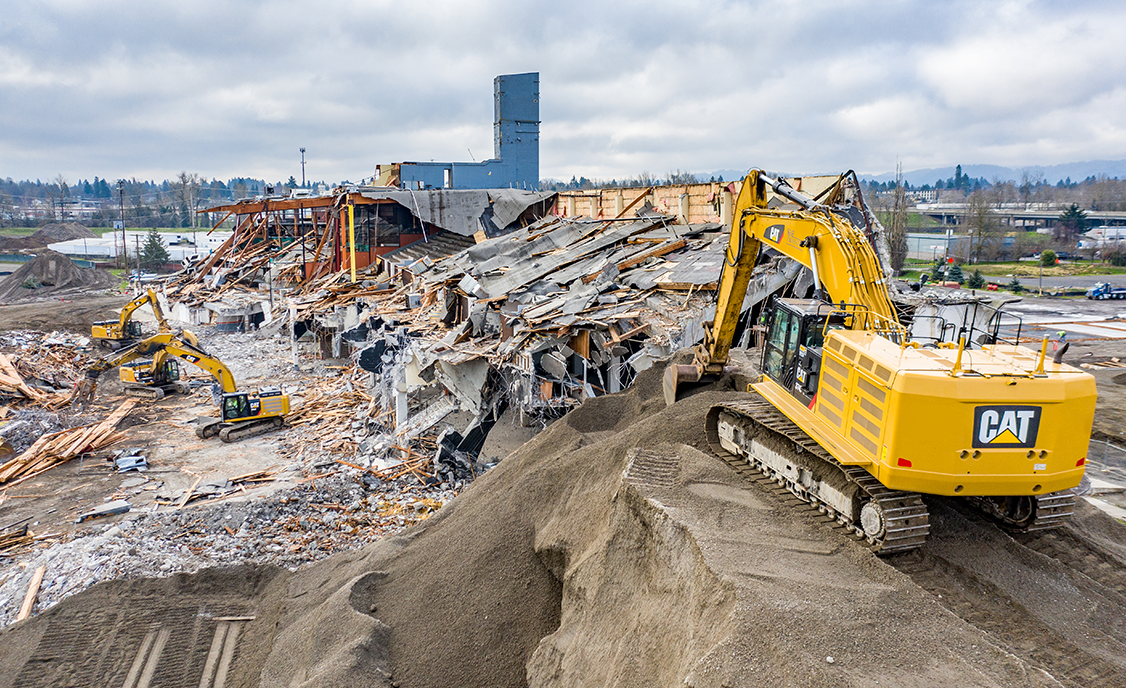
Safety is a top priority on any construction site. Subcontractors are evaluated not only on their work quality but also on their commitment to safety. General contractors review a subcontractor’s safety records, training programs, and adherence to industry safety protocols to ensure that they will work in a way that protects their team and others on site.
Scheduling is critical in construction, and subcontractors must be available when their services are required. General contractors look for subcontractors who are flexible and can adapt to changes in the project timeline, whether due to weather, supply chain issues, or unexpected project challenges.
While cost is always a consideration, it isn’t always the deciding factor. General contractors request bids from multiple subcontractors and evaluate them based on more than just the price tag. They consider the value the subcontractor offers in terms of quality, experience, timeline, and ability to solve potential project problems.
One of the most valuable aspects of the subcontractor-general contractor relationship is trust. Many general contractors prefer to work with subcontractors they’ve partnered with on previous projects. Over time, a strong working relationship built on clear communication, mutual respect, and a shared commitment to quality makes the process more efficient.
At Perlo, we have a dedicated team that confirms and vets all bids and subcontractors. Part of that process includes getting to know local, up-and-coming, and minority-owned subcontractors in the communities we work in. We take extra care to maintain these relationships; especially with partnerships that go above and beyond when we work together. For instance, we host a Trade Partners Appreciation Breakfast every year to thank our dedicated subcontractors, and regularly work to partner small businesses with larger providers to bring them onto our projects.
Building these long-term relationships allow contractors and subcontractors to streamline their workflows and eliminate uncertainties. This familiarity can help mitigate risks, ensures that both parties are aligned on expectations, and makes the building processes more enjoyable.
When a general contractor is starting a new project, they usually put out a call for bids from various subcontractors. The bidding process is a formal way of evaluating who is best suited for the job.
The goal is to strike a balance between quality and cost, ensuring the project will be completed successfully without unnecessary expense.
While selecting a subcontractor is a key decision, it also carries certain risks. General contractors take several steps to mitigate these risks:
Contingency Planning: A general contractor may have backup subcontractors or contingency plans in place in case a subcontractor fails to meet deadlines or deliver quality work.
Legal Considerations: General contractors ensure that subcontractors carry the appropriate insurance and bonding to protect against accidents, project delays, or disputes.
Performance Management: Progress is monitored closely to ensure that subcontractors are meeting milestones and performing to expectations. Regular communication and site visits help keep everything on track.
Final Thoughts
The selection of subcontractors is one of the most important aspects of managing a successful construction project. By considering factors like qualifications, safety, reputation, and cost, general contractors ensure they’re partnering with the best possible team to complete the job. Building strong relationships with subcontractors over time further strengthens the chances of a project’s success, benefiting everyone involved.
If you’re interested in how Perlo selects and works with top-tier subcontractors to complete high-quality projects, contact us to learn more!