Renovating Historic Buildings: Challenges and Expert Tips
08/20/2024
Historic buildings are not just structures; they are vessels of culture, history, and architectural artistry. Preserving these buildings is a task that combines respect for the past with the ingenuity of modern construction practices. However, renovating historic buildings is no simple feat. It involves navigating a maze of challenges, from structural issues to regulatory hurdles, all while maintaining the essence of the original architecture.
Today we’re exploring the common challenges faced in historic renovations and how you choose the right contractor for your job.
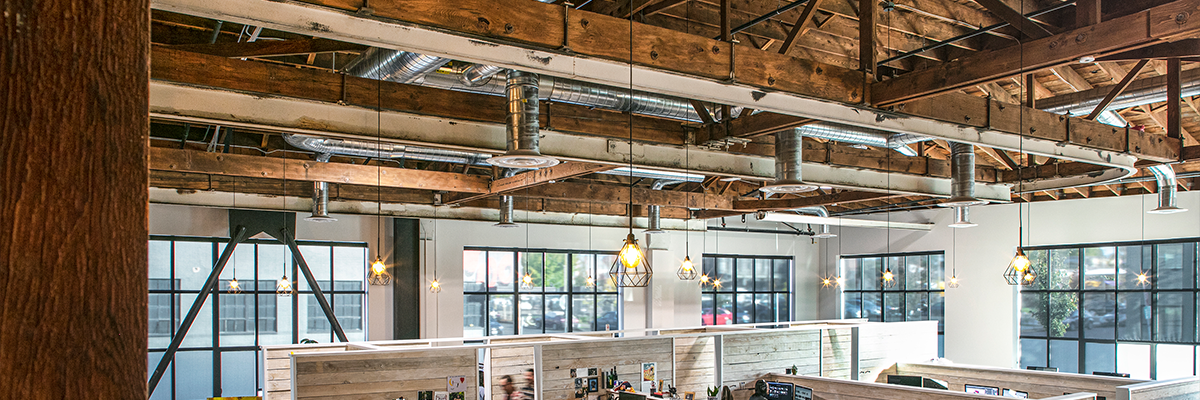
Historic buildings are generally defined as structures that are at least 50 years old and possess architectural, cultural, or historical significance. The architectural details and materials used in these structures often reflect the aesthetic preferences and construction techniques of their time, making them invaluable to our cultural heritage. Many local organizations take ownership of these landmarks in order to preserve them for federal, local, or cultural means.
Renovating historic buildings involves adhering to a complex web of preservation laws and guidelines. These regulations are designed to ensure that any changes made to the building do not compromise its historical integrity. In the United States, the National Trust for Historic Preservation and local historic preservation commissions play key roles in overseeing these renovations. Globally, organizations like UNESCO work to protect world heritage sites, enforcing stringent guidelines to preserve their historical value. Renovators must navigate these regulations carefully, obtaining the necessary permits and approvals before commencing work.
One of the primary challenges in renovating historic buildings is dealing with structural issues. Over time, materials can deteriorate, foundations can shift, and structural elements may no longer meet modern safety standards. Renovators must assess the building’s integrity and decide whether to reinforce or replace aging components. This process requires a delicate balance—maintaining the original structure’s character while ensuring it is safe and stable for future use.
Working within the architectural constraints of historic buildings can be challenging. These structures often have unique designs and materials that are difficult to replicate or modify. Renovators are often asked to adhere to the original aesthetics, using period-specific materials and techniques to ensure any new work blends seamlessly with the old. This often involves sourcing rare materials or employing skilled craftsmen who understand traditional construction methods.

Navigating the myriad of zoning laws, building codes, and preservation guidelines is another significant challenge. Historic buildings are often subject to stricter regulations than modern structures, requiring renovators to adhere to specific guidelines that govern alterations. Securing the necessary permits and approvals can be time-consuming and requires a thorough understanding of both local and national preservation laws.
Renovating historic buildings can be more costly than working with modern structures. The need for specialized materials, skilled labor, and additional regulatory approvals can drive up costs. Additionally, unforeseen issues—such as hidden structural damage or the discovery of hazardous materials like asbestos—can lead to budget overruns. To address these financial challenges, renovators often seek out grants, tax incentives, or other funding sources specifically geared towards historic preservation.
Historic buildings often come with their share of surprises. Hidden damages, outdated infrastructure, and the presence of hazardous materials can all emerge during renovation, requiring immediate attention and additional resources. These unforeseen issues can disrupt timelines and budgets, making flexibility and contingency planning essential components of any historic renovation project.
The foundation of any successful historic renovation is thorough planning and research. Before beginning work, it is crucial to conduct an in-depth analysis of the building’s history, architecture, and existing condition. This research helps inform the renovation process, guiding decisions about which elements to preserve, restore, or update. Consulting with historians, architects, and preservation experts is also invaluable, as their insights can help avoid costly mistakes and ensure the project aligns with preservation standards.
Given the unique demands of historic renovations, it is essential to work with contractors who have experience in this field. Reputable contractors understand the importance of preserving the building’s character while addressing structural and functional needs. They are also have a wider network of partners that may be familiar with traditional construction techniques and materials, ensuring that the renovation respects the building’s historical integrity.
One of the trickiest aspects of renovating historic buildings is balancing the need for modern amenities with the desire to maintain historical accuracy. Whether it’s installing modern HVAC systems, updating electrical wiring, or improving accessibility, these upgrades must be integrated in a way that does not detract from the building’s original charm. Creative solutions, such as concealing modern elements within existing structures or using historically appropriate materials for new additions, can help achieve this balance.
Modern technology can be a powerful ally in historic renovations. Tools such as 3D scanning and Building Information Modeling (BIM) allow for precise planning and documentation, ensuring that every detail of the original structure is captured before any work begins. These technologies also facilitate collaboration between architects, contractors, and preservationists, enabling them to visualize potential changes and make informed decisions that honor the building’s history.
Finding or reproducing authentic materials is often one of the most challenging aspects of historic renovation. Many materials used in the original construction may no longer be readily available, requiring renovators to source rare items or commission custom reproductions. In some cases, renovators may need to get creative, repurposing materials from other historic sites or using modern equivalents that closely match the originals.
Recently acquired by Perlo, Reimers & Jolivette Construction has been renovating and maintaining some of Portland, Oregon’s most notorious historic buildings for 100 years. From complete remodels to seismic upgrades to preservation, they’ve worked to keep these centuries-old locations operational. We recently sat down with Vice President Mark Beckius to get his expert insight on historic renovations.
“Old buildings can be full of surprises, especially when the original drawings haven’t existed for 40 years,” says Mark. “Our job as contractors in these historic buildings is to keep them alive, safe, and have the smallest impact possible.”
Mark also notes that essential renovations are rarely about paint matching and finding era-appropriate fixtures. Most of the work in Portland and the surrounding area focuses on structural upkeep and seismic upgrades.
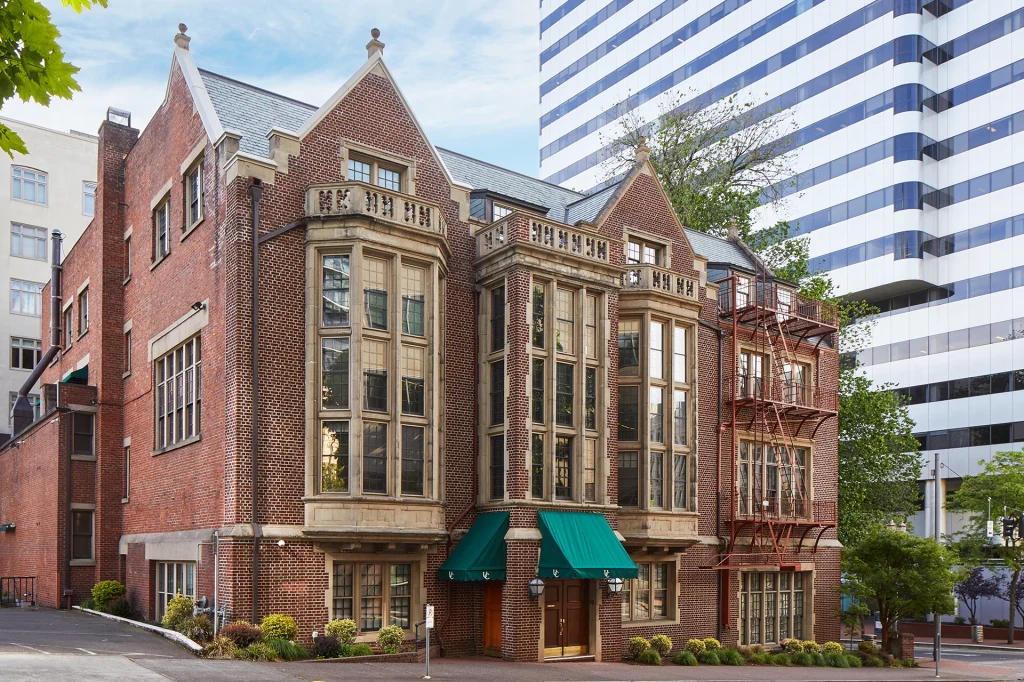
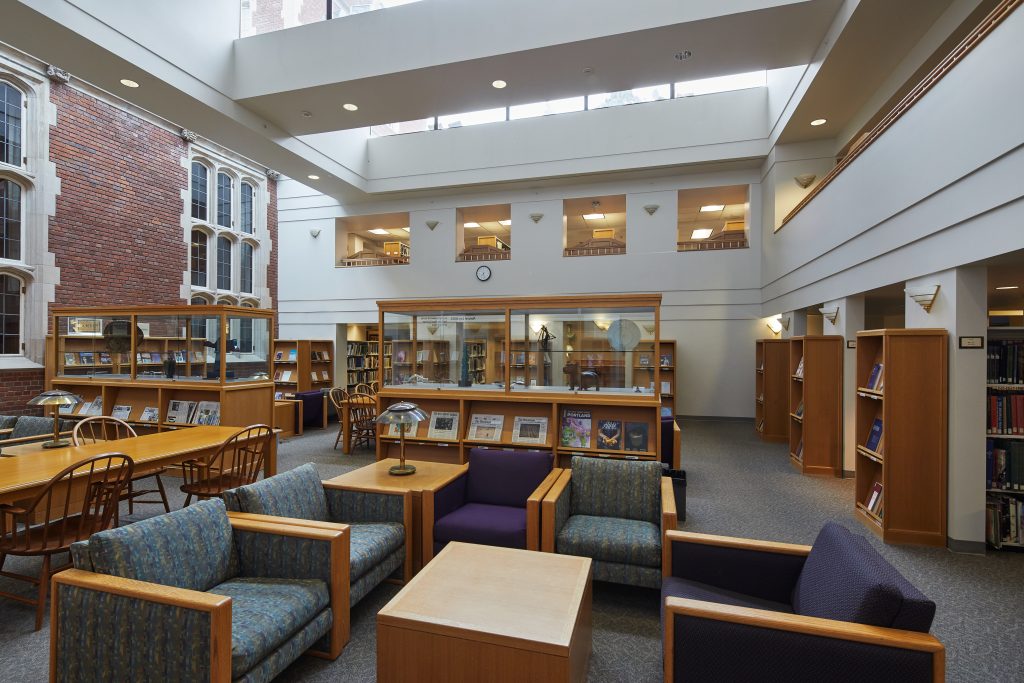
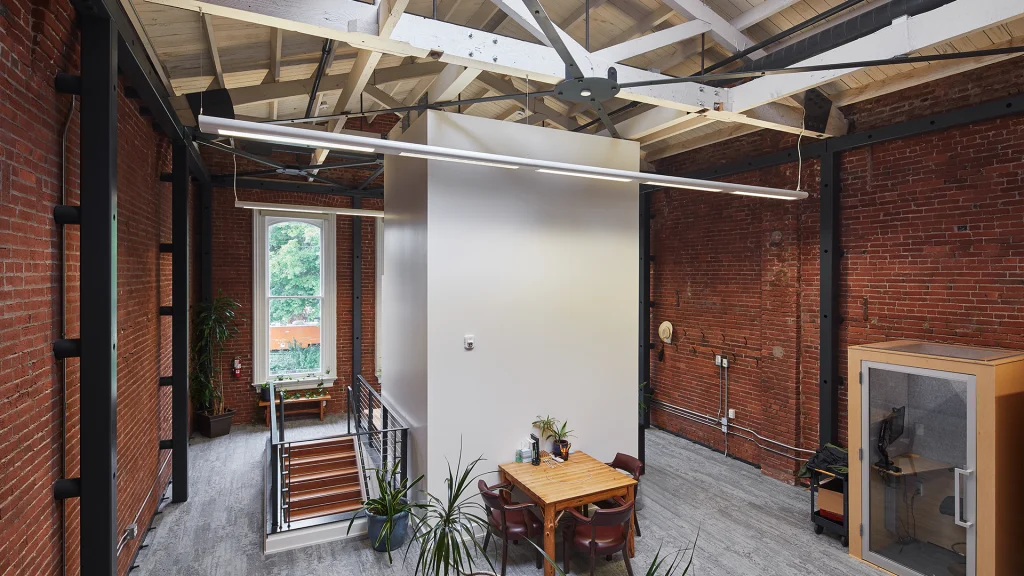
“It doesn’t matter how well you maintain your building; after a couple of decades, materials may start to fail. For our area, we also need to make sure these locations are up to seismic code to protect the occupants,” says Mark. “We did a lot of work in the 70s after the big Portland earthquake, and we saw firsthand what could happen to these landmarks without proper support systems.”
When it comes to choosing a contractor for your renovations, Mark stresses finding a team with tight connections to their suppliers and experience working in occupied spaces. A contractor that can be part builder, part historian is priceless in these scenarios. Mark also notes that many of these landmarks are now operational year-round as clubs, social venues, and museums and aren’t able to close down for construction.
“If you’re a museum, you’re operating on tight margins. If you’re a club, your members don’t want to be kicked out for six months. Either way, we are almost never able to fully shut down a location to do our work. Therefore, we have to be incredibly flexible and tidy,” says Mark. “We take extra care to install heavy dust protections, work outside normal hours, and we don’t start until we have 99% of the materials. We can’t leave walls open for weeks on end or have debris piles in hallways. We stay clean, we extensively plan, and we get in and out as fast as possible.”
Final Thoughts
Renovating historic buildings is a complex but rewarding endeavor. The challenges—structural issues, regulatory compliance, budget constraints, and unforeseen complications—are significant, but they can be overcome with careful planning, specialized expertise, and a deep respect for the past. By preserving these architectural treasures, we not only honor our history but also ensure that future generations can experience and learn from it. As you embark on your own renovation projects, remember the value of thoughtful, responsible preservation and the importance of maintaining the unique character of historic buildings.